

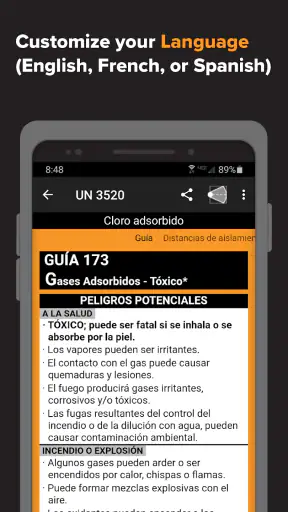
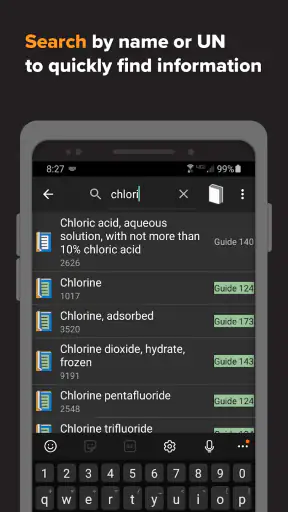
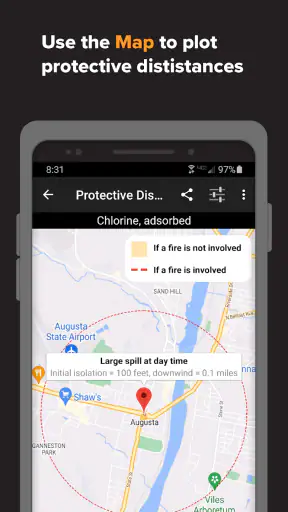
When an emergency involves a chemical, fuel, compressed gas, or another hazardous material, guessing is not a reasonable option. ERG is the official USDOT Emergency Response Guidebook app from PHMSA, and I found its value comes from being a focused reference rather than trying to act like a general medical app. It is free, aimed at Everyone 10+, and useful when a person needs to identify an immediate response approach quickly.
My overall view is straightforward: ERG is best treated as a prepared reference tool, not as a replacement for emergency services or professional training. It does not try to diagnose injuries, provide ordinary first-aid coaching, or turn a phone into a complete incident-command system. Instead, it gives people access to the guidebook structure in a portable format. That narrow purpose is also its main strength.
Why this emergency reference is worth keeping installed
The app belongs to the medical category, but its practical role is broader than a typical health tracker or symptom checker. It is designed around hazardous-material incidents, where the first useful question may be “What substance is involved?” rather than “What symptoms do I have?” That difference matters. A person dealing with a spill or transport accident needs organized response information, not a long list of possible diagnoses.
In my experience, the most sensible way to use ERG is before an emergency happens. Install it, open it when you are calm, and become familiar with the way its information is arranged. That small preparation step can reduce hesitation later. In a stressful situation, even knowing where to begin is helpful, especially when the substance name, identification number, or visible hazard label is the only clue available.
The app has been available since January 8, 2013, and the current version is 4.1.1. It supports Android 7.0 and later, which makes it accessible on many older devices still used as backup phones or kept in vehicles. PHMSA is the developer, and the app has passed the one-million-install mark with an average rating of 4.3 from around 3.8 thousand ratings. Those figures suggest that it has found a substantial audience among people who want a recognized reference close at hand.
Its strongest quality is focused information retrieval
ERG is not impressive because it is flashy. It is useful because the subject matter is arranged for a situation in which the user may have limited time and incomplete information. A good emergency reference should help someone move from a visible clue to a sensible next step without forcing them through unrelated health content. That is the role this app fills.
A realistic example would be a driver who comes across a damaged delivery vehicle on a rural road. There may be a placard, a container marking, or a shipping document, but no immediate explanation from the crew. Rather than approaching the vehicle or relying on a random web search, the driver could use ERG to consult the relevant guide information and then keep a safer distance while contacting emergency responders. The important benefit is not that the app makes the driver an expert; it helps the driver avoid acting blindly.
Another scenario involves a workplace safety manager preparing a small team for drills. The manager can use the app as a discussion aid: show how an incident might be identified, explain why approach distance matters, and demonstrate how responders use material information. That makes the application more useful than something opened only after a crisis begins. It can support familiarization without pretending to replace formal instruction.
How I would use it before and during an incident
I would start by checking that the app opens properly on the phone I expect to carry. If the device is kept in a vehicle, I would also make sure the battery is maintained and the phone remains usable in the conditions where it may be needed. A reference app is only helpful if the user can reach it quickly, so placing it where it is easy to find is more practical than leaving it buried among unrelated downloads.
Next, I would practice the identification process using harmless examples from workplace training materials or transport labels. The goal is not to memorize every substance. The goal is to understand what information the app expects and how to move through the guidebook once that information is available. This is one of the less obvious advantages of preparing early: it exposes confusion before the pressure of a real event.
During an incident, I would use ERG as one part of a larger response. I would avoid touching containers, entering vapor clouds, moving toward a spill to read a label, or treating the app’s guidance as permission to take action beyond my training. I would call the appropriate emergency number and communicate the identification information to professionals. The app can support that conversation, but it cannot see wind direction, terrain, building ventilation, injuries, fire behavior, or changing conditions.
That limitation is important enough to state plainly. The safest workflow is identify from a distance, consult the reference, contact trained responders, and follow their instructions. ERG becomes much more valuable when it prevents impulsive behavior rather than encouraging a user to manage a hazardous-material scene alone.
Where it compares well with ordinary alternatives
The usual alternatives are a printed guidebook, a broad internet search, a general first-aid app, or advice from someone who happens to be nearby. Each option has a weakness. Printed material is dependable as a physical backup but less convenient to carry everywhere. A web search may return useful material, yet it can also produce outdated, commercial, or irrelevant pages when the user needs a recognized emergency reference. A first-aid app may help with burns or personal injuries, but it is not designed around the identification and initial handling of hazardous substances.
ERG sits between the printed guide and the online search. It is more portable than a book and more purpose-built than a general search engine. That makes it especially sensible for people who drive regularly, work near transport routes, support industrial operations, or participate in community emergency planning. I would still keep a physical emergency plan and know how to contact local responders, but I would rather have this focused tool available than depend on memory.
It is also worth understanding what “official” means in practical terms. The app’s store summary identifies it as the official USDOT Emergency Response Guidebook, which gives it a clear institutional purpose. That does not mean every situation is covered in the same detail, nor does it mean the app can replace local procedures. It means the reference is connected to a recognized emergency-response framework instead of being an anonymous collection of tips.
The meaningful weakness: reference speed depends on the user
My main criticism is not that the subject is too specialized; specialization is exactly why the app exists. The friction is that a reference tool can feel less helpful when the user does not know how to identify the substance or does not understand the terminology. In a real incident, labels can be obscured, damaged, poorly lit, or viewed from an unsafe position. If the only available clue is vague, the app cannot manufacture certainty.
That creates a trade-off. ERG is more trustworthy as a structured reference than a casual internet search, but it may require more deliberate interpretation than a simple “what should I do?” app. A nervous user looking for general reassurance may find the material demanding. That is not a reason to dismiss it, but it is a reason to practice with it and to avoid opening it for the first time during a crisis.
The app is also not the right choice for someone seeking everyday medical guidance. If your main needs are medication reminders, symptom tracking, appointment management, exercise monitoring, or basic first aid, another medical app will fit better. ERG’s value is situational. Keeping it installed makes sense when hazardous-material exposure is a realistic possibility, not because every phone needs a specialized emergency reference.
There is another practical limitation: a phone can be damaged, lost, uncharged, or unusable in a dangerous environment. I would never make the app my only source of emergency information. A household or workplace should still have clear evacuation instructions, contact details, and a way to communicate if mobile access fails. The app is most convincing as a layer in a safety plan, not the entire plan.
Small habits that make the app more useful
First, learn the difference between identifying a substance and confirming a safe action. A label or identification number can point toward the relevant guide, but the surrounding conditions still matter. If there is smoke, a strong odor, visible leakage, fire, or an injured person, the correct response is not to spend several minutes experimenting with the interface. Use the app only when it can be consulted without increasing exposure, then pass the information to responders.
Second, use the app during training conversations rather than treating it as a private lookup tool. Ask a team what information would be visible from a safe location, who would make the call, and who would keep others away. This turns a reference into a shared procedure. It also reveals whether the workplace has confusing labels, poor lighting, or unclear responsibilities before an actual accident exposes those problems.
Third, keep the app alongside—not instead of—local emergency instructions. The guidebook can provide a common reference, while local plans explain building exits, assembly areas, site contacts, and internal reporting. Combining those layers is more useful than arguing over whether a digital guide or a printed plan is better. They solve different parts of the problem.
Fourth, resist the temptation to use a familiar-looking result as a shortcut. Hazardous materials can have similar names, related identification details, or very different risks when conditions change. I would double-check the information I entered and read the relevant guidance carefully rather than stopping at the first matching term. That extra pause is a practical safeguard, especially when the scene is confusing.
Who should install it, and who can skip it
I would recommend ERG to professional drivers, warehouse and logistics workers, industrial staff, safety officers, volunteer responders, emergency-preparedness groups, and households located near busy freight corridors. It is also a sensible addition to a first-aid or disaster-preparedness kit for anyone who wants a recognized hazardous-material reference available on a phone.
It can be useful for students and trainees as well, provided an instructor explains the limits of the material. The Everyone 10+ content rating makes it broadly accessible, but age suitability does not equal operational readiness. A young person can learn why identification and distance matter without being expected to approach a dangerous scene or interpret it independently.
I would skip it if you want a general health companion or if you rarely encounter situations involving hazardous substances and have no interest in emergency preparation. Installing a specialized reference without learning its purpose may create false confidence. In that case, a basic emergency-plan resource or a first-aid guide may be more relevant to your daily life.
If you are choosing between ERG and a printed copy, I would not frame the decision as either-or. The phone version is easier to carry and search when the device is available. A printed backup is valuable when the phone is unavailable or the environment makes electronics impractical. For a workplace, keeping both formats and teaching people when to use each is the more resilient approach.
My final assessment
After looking at ERG as a working tool rather than a novelty download, I see a clear purpose and a sensible audience. It gives Android users a portable way to consult the official USDOT Emergency Response Guidebook, and its free price removes a common barrier to keeping a specialized safety reference available. The current version, 4.1.1, supports Android 7.0 and later, so many users can install it without needing a recent phone.
My recommendation comes with one condition: prepare before you need it. Open the app, understand how identification works, discuss it with the people around you, and connect its guidance to emergency services and local procedures. Used that way, ERG is a practical safety reference with real value in the right circumstances. Used as a substitute for training, professional responders, or common sense at a hazardous scene, it becomes far less reliable.
For me, that balanced role is the reason to keep it installed. It does not promise to solve every emergency, and it should not. It gives the public and trained teams a focused reference for a difficult class of incidents. If that matches your work, travel, or preparedness needs, I would recommend downloading ERG and learning its workflow before an emergency makes learning difficult.


